
Tzedakah is the charity that Jews give. The word “tzedakah” means “justice” or “righteousness” in Hebrew, and this definition of charity relates to the concept of money belonging to G-d. Giving back is what we are supposed to do, as it is the wish of G-d that money be shared with whoever is in need. Tzedakah is not only about giving money, though, and even those who do not have money can give tzedakah. You can pay tzedakah by cooking for somebody, or by volunteering your time or sharing your expertise. It can even be checking in on somebody to see how they are doing and cheering somebody up. In Jewish philosophy, charity is not just from the rich to the poor, but from every person and to every person.
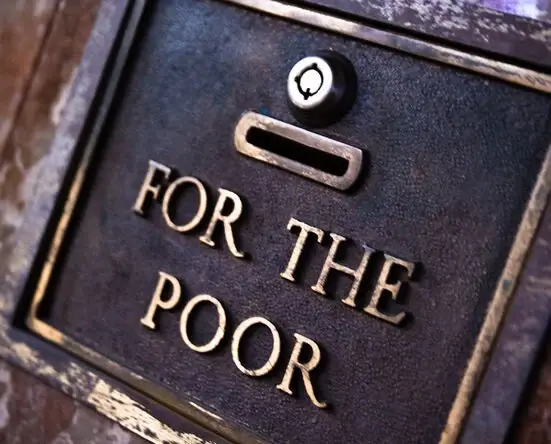
Tzedakah is an important part of Judaism, and Jewish homes have a tzedakah box, known in Yiddish as a “pushke,” in them. Synagogues are places where you can give, and at the Holy Temple in Jerusalem is the “chamber of the discrete ones,” called the “lishkat chashain” in Hebrew. It is here where people can bring money that would be redistributed to the ones in need. The tradition of giving tzedakah is one that has survived for millennia, and it shows traditions can be about more than just following what was done in the past, as doing good in the world today, bringing meaning to our lives, and the lives of others.




Leave a Reply